
Good Intentions Do Not Give Us Unconditional Permission
Note from today’s Bible reading: 1 Kings 7-8; 2 Chronicles 4-5
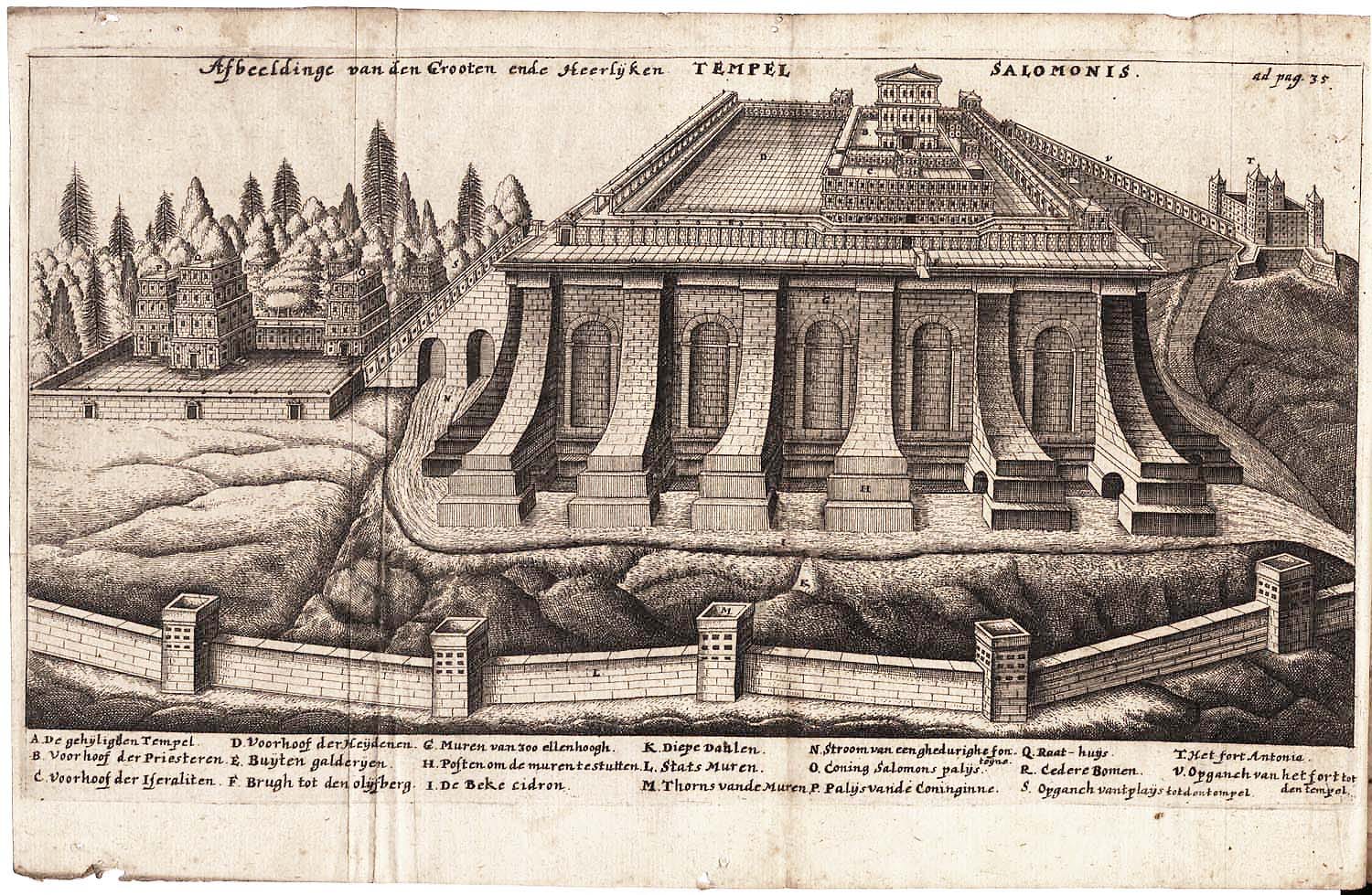
After the temple was completed and the ark of the covenant brought into it, Solomon addressed the people. He reminded them that “it was in the heart of [his] father David to build a house for the name of the Lord, the God of Israel” (1 Kings 8:17).
Solomon then explained that God acknowledged David’s good intentions. The Lord said to David, “Because it was in your heart to build a house for My name, you did well that it was in your heart” (1 Kings 8:18). The fact that David wanted to do this was commendable. Yet he was not the one the Lord had chosen to build His house. God said, “Nevertheless you shall not build the house, but your son who will be born to you, he will build the house for My name” (1 Kings 8:19).
Many religious people believe that as long as their intentions are good, God will accept whatever they choose to do in His name. Yet the example of David shows that this is not the case. In addition to this, Jesus spoke of those who would do many things “in [His] name” who would be told to “depart” because they “practice lawlessness” (Matthew 7:22-23). We must act according to what God has instructed, not what we assume will please Him.
So remember that good intentions do not give us unconditional permission. It is possible to violate His law while mistakenly assuming we are honoring Him. We must see what He has instructed us before deciding on a course of action.


