
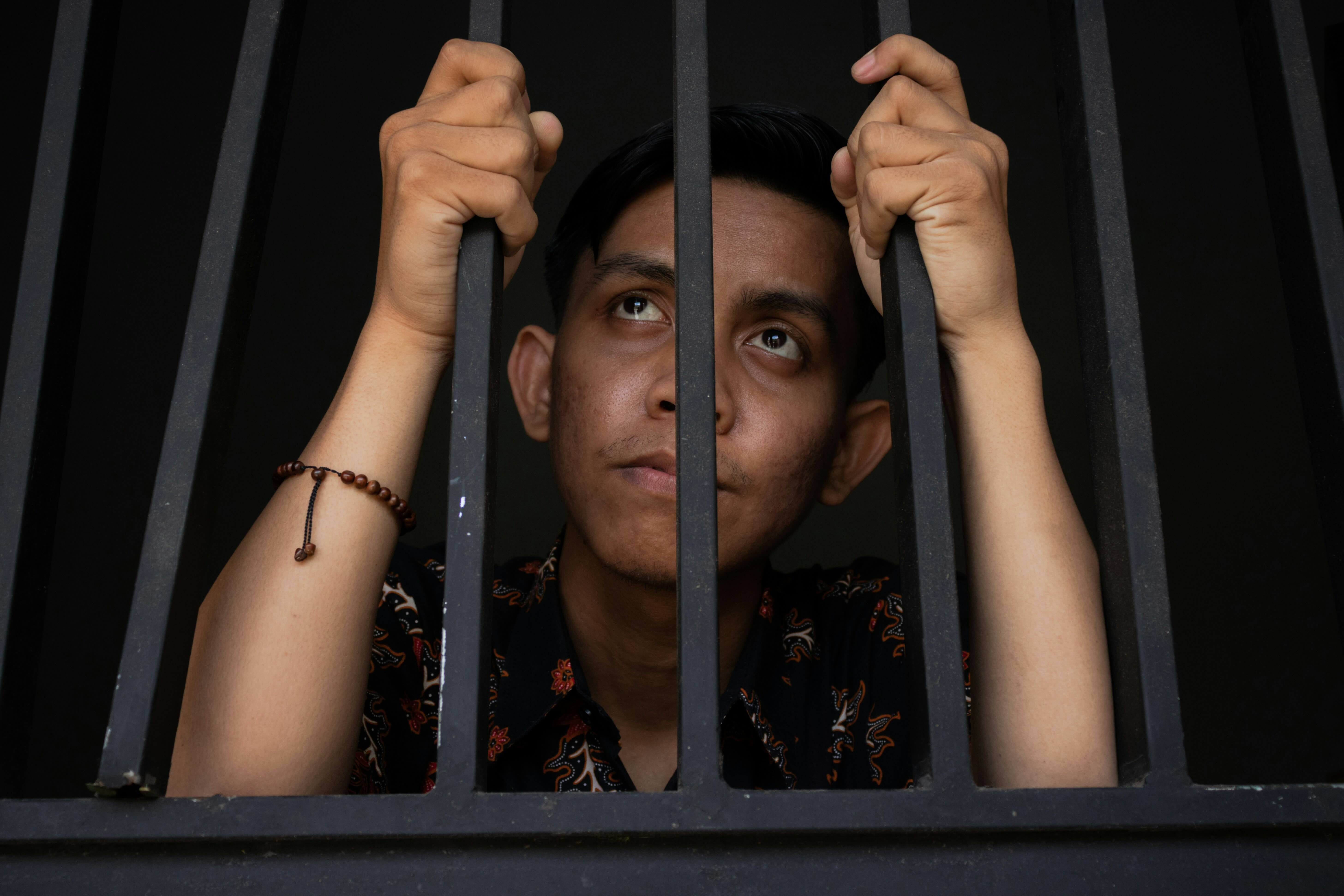
Not Every Accusation Should Be Believed
Note from today’s Bible reading: Joshua 16-20
By God’s design, there were to be several cities of refuge established throughout the land, which the children of Israel would possess. These would be for “the manslayer who kills any person unintentionally” to flee and receive protection (Joshua 20:3).
This protection was against “the avenger of blood” (Joshua 20:3). This individual would be trying to avenge his relative who had been killed. So a tragedy had already occurred. Therefore, it would be easy to sympathize with the family who lost a relative, and “the avenger of blood” represented them.
However, just because there was a tragedy, that does not mean that there was some wrongdoing for which justice needed to be carried out. The “manslayer” was to be protected until he was able to be tried “before the congregation for judgment” (Joshua 20:6), and then afterward, if it was determined that he was not guilty.
This reminds us that some tragedies are just that – tragedies – and do not require punishment in order to settle the score. Even people suffering real pain (such as the death of a loved one) do not always possess accurate information when they make accusations against the one they believe is to blame for their suffering.
So remember that not every accusation should be believed. Even accusers who are sincere and genuinely hurting may not have all of the facts. Instead of being caught up in the strong emotions of the situation, let us strive to be unbiased, seek to determine what is true, and then respond in a reasonable manner.


