


Jesus affirmed His deity and claimed equality with the Father when He said, “I and the Father are one” (John 10:30). The Jews recognized the claim He was making but thought He was guilty of blasphemy. So they “picked up stones…to stone Him” (John 10:31).
When Jesus asked why they intended to kill Him, they charged Him with “blasphemy,” thinking that He was a mere man who dared to “make [Himself] out to be God” (John 10:33). In response, Jesus pointed out that their conclusion was not consistent with what was written in the Law (John 10:34-36). Jesus explained why this was important when He said, “The Scripture cannot be broken” (John 10:35).
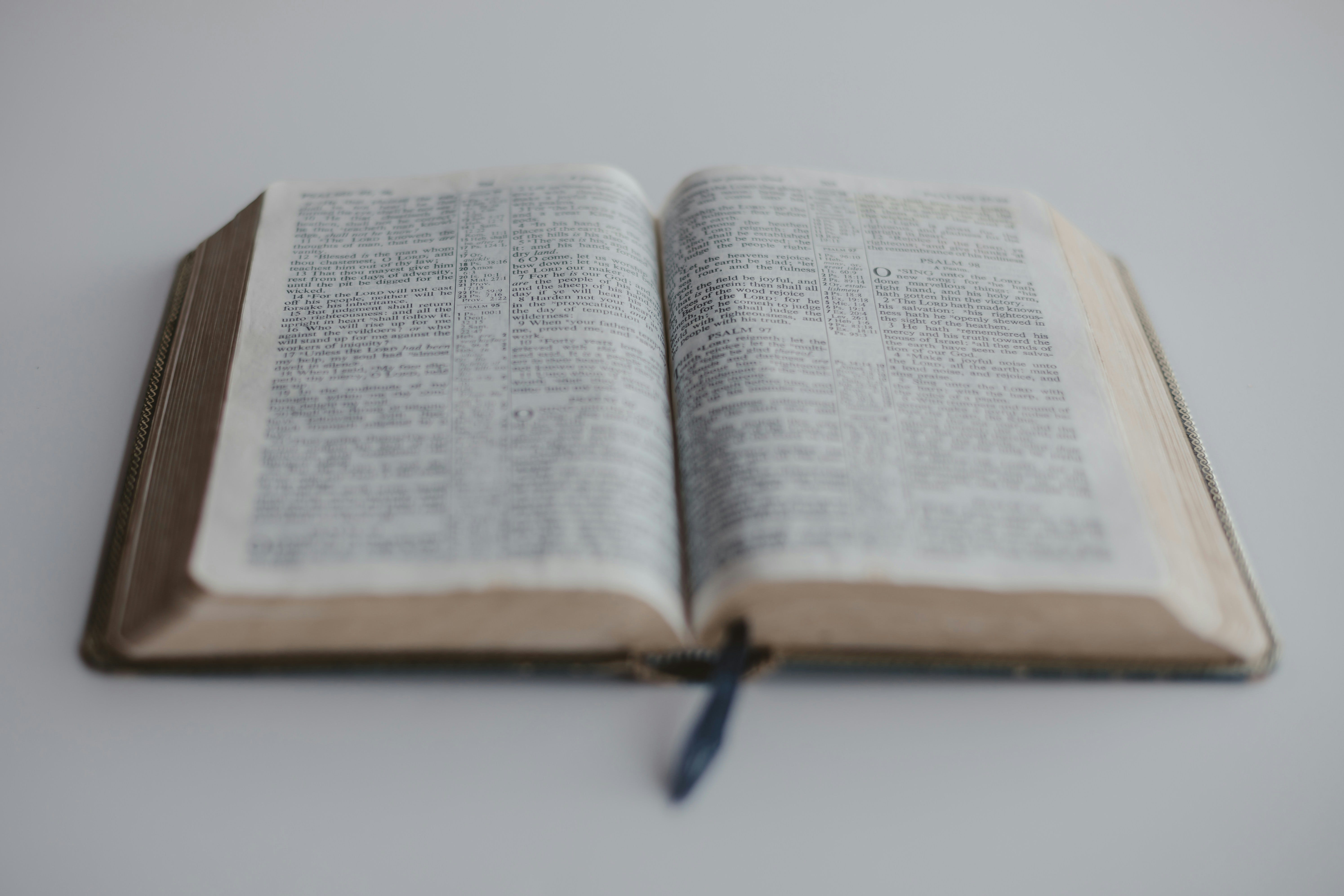
What did Jesus mean by that phrase? He meant that the word of God is not going to contradict itself. Therefore, if our interpretation of one passage puts it at odds with another, we have misinterpreted it. If our thinking is not consistent with what the Scriptures teach, then we need to correct our thinking to align with what has been revealed by inspiration.
This principle applies to every question regarding our beliefs, doctrines, and practices in spiritual matters. We must believe, teach, and do what is in harmony with the word of God.
So remember that the Scripture cannot be broken. We should allow various passages in the Bible to explain one another, not interpret them in such a way that causes them to contradict one another. Then, we must conform our lives to God’s word so that we believe, teach, and do what is right.